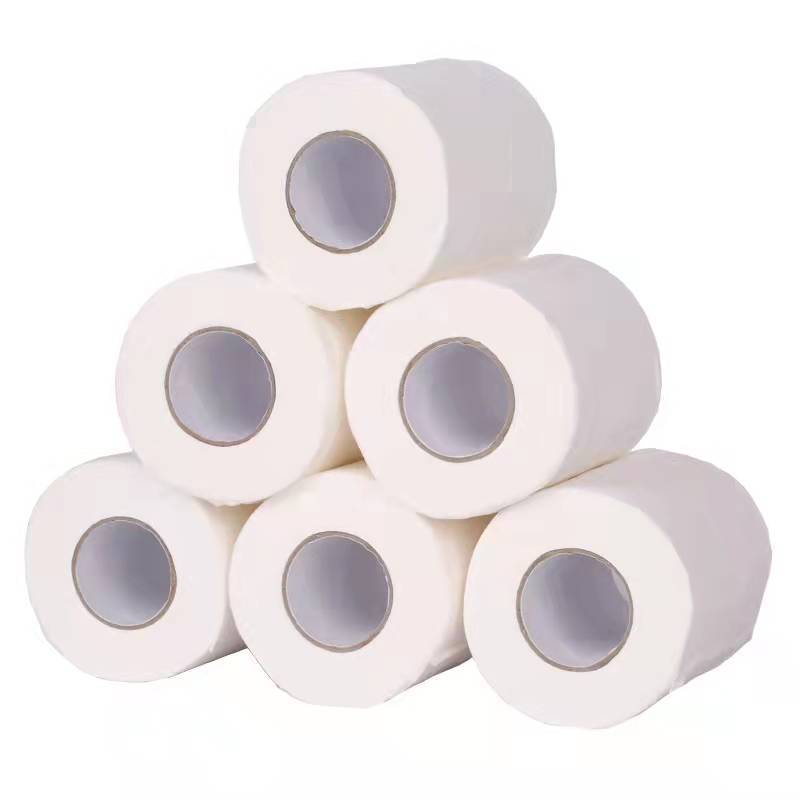
 1. Industry Upheaval in Crisis: From Panic Buying to Supply Chain Restructuring
Global health crises, particularly the COVID-19 pandemic, had an unprecedented impact on the hygiene paper industry. The initial stage of the pandemic witnessed astonishing panic buying of toilet paper worldwide. Citizens in Australia, the United States, Japan, New Zealand, the UK, and Canada joined the “toilet paper army,” with incidents of customers fighting in supermarkets over toilet paper -3. This phenomenon was driven by multiple psychological factors: the desire for a sense of control in the face of danger, the bulkiness and lack of substitutes for toilet paper making empty shelves highly visible, and widespread media coverage exacerbating panic -3.
However, panic buying was not the sole cause of shortages. The core issue faced by the toilet paper industry was the drastic restructuring of supply chains. As lockdown measures were implemented, demand patterns fundamentally shifted—moving significantly from commercial and institutional demand (offices, schools, airports) to household consumption -6. Simultaneously, while dealing with staff shortages, transportation delays, and social distancing restrictions, the pulp and paper industry was forced to shift production capacity towards paperboard (cardboard) to meet the soaring demand for packaging from e-commerce -6. Essentially, the toilet paper missing during the pandemic was transformed into the piles of cardboard boxes stacking up in consumers’ homes.
2. Underlying Challenges Facing the Industry
2.1 Supply Chain and Cost Pressures
The sanitary paper manufacturing industry experienced severe supply chain disruptions during the pandemic. Revenue for US sanitary paper product manufacturers fell at a compound annual growth rate (CAGR) of 3.1% to $14.6 billion from 2020 to 2025, with a 0.6% dip in 2025 alone, as profit levels shrank by 1.2% over the same period -1. These figures reflect the structural challenges confronting the industry.
Trade policies exacerbated cost pressures. Tariffs implemented by the Trump administration during his second term created severe implications for domestic sanitary paper manufacturers, especially those heavily reliant on international trade for key raw materials and specialized machinery. The current combined 30.0% tariff on all Chinese imports generates additional stress for manufacturers sourcing inputs -1.
2.2 Environmental and Sustainability Challenges
Amid the health crisis, the environmental challenges of the toilet paper industry also became increasingly prominent. According to research by the consulting firm Edge, reported by the BBC, approximately 1 million trees are cut down globally each year to manufacture toilet paper, exacerbating problems like deforestation, biodiversity loss, and soil erosion -2.
Canada’s boreal forest is one of the few largely undeveloped primary forests in the world, rich in biodiversity, yet over 400,000 hectares of forest are cut down annually for toilet paper production -2. Canada is the world’s largest producer of Bleached Softwood Kraft Pulp (NBSK), half of which is used for toilet paper production -2.
3. Transformation Opportunities in Crisis
3.1 Sustainable Development Innovation
The global health crisis has accelerated the transition towards sustainability in the hygiene paper industry. R&D in eco-friendly materials has become a key innovation area. Beyond recycled pulp, alternative fibers like bamboo, bagasse, and wheat straw are increasingly being used as new raw materials for toilet paper -2.
Essity, one of the world’s nine major toilet paper manufacturers, has developed an alternative toilet paper raw material using wheat straw at its German plant, reducing the carbon footprint by 20% compared to traditional wood fiber toilet paper -2. Major European toilet paper manufacturers like WEPA are developing processes to use recycled cardboard for toilet paper, omitting the bleaching process required for wood pulp and reducing environmental harm -2.
3.2 Consumer Awareness and Market Transformation
Post-pandemic, consumer awareness of both hygiene and sustainability has intensified. On one hand, the health crisis reinforced public focus on hygiene; on the other, environmental consciousness has become increasingly deeply rooted.
Eco-conscious consumers are now actively selecting brands that demonstrate genuine sustainability commitments -1. This shift in consumer preferences has turned sustainability from a niche preference into a core decision-making factor. Industry leaders Kimberly-Clark and Procter & Gamble have responded to market signals by setting clear sustainability targets -1.
4. Future Outlook and Strategic Recommendations
Looking ahead, the hygiene paper industry needs to find a balance between responding to health crises and pursuing sustainable development. Based on current trends, I propose the following strategic recommendations:
-
Building Supply Chain Resilience: Industry participants need to shift from traditional “lean” supply chain thinking towards a more interconnected “risk avoidance” strategic model -5, enhancing supply chain diversity and risk resistance.
-
Sustainable Product Innovation: Increase investment in R&D for recycled materials and alternative materials like bamboo fiber. Paper recycling is projected to emerge as a dominant trend in sanitary paper production. Using recycled tissues results in significant environmental benefits: a 50% reduction in water consumption, 64% less energy usage, and 74% lower air pollution -4.
-
Balancing Health and Environmental Protection: Focus on combining health-focused innovation with environmental attributes, developing products that address health concerns while meeting sustainability requirements.
5. Conclusion
Global health crises have presented unprecedented challenges for the hygiene paper industry, forcing companies to re-examine their supply chains, product portfolios, and market strategies. While the panic buying triggered by the pandemic has subsided, the supply chain vulnerabilities and consumer behavior changes it revealed have long-term implications.
The future success stories in the hygiene paper industry will be those companies that skillfully integrate health crisis response, sustainable development, and commercial viability. As the industry moves from “panic buying” to “conscious consumption,” the players who can provide genuine eco-friendly solutions, maintain supply chain resilience, and address health concerns will emerge stronger in the post-pandemic era. The hygiene paper industry, a sector producing daily essentials, stands at a historic turning point, filled with both challenges and opportunities.